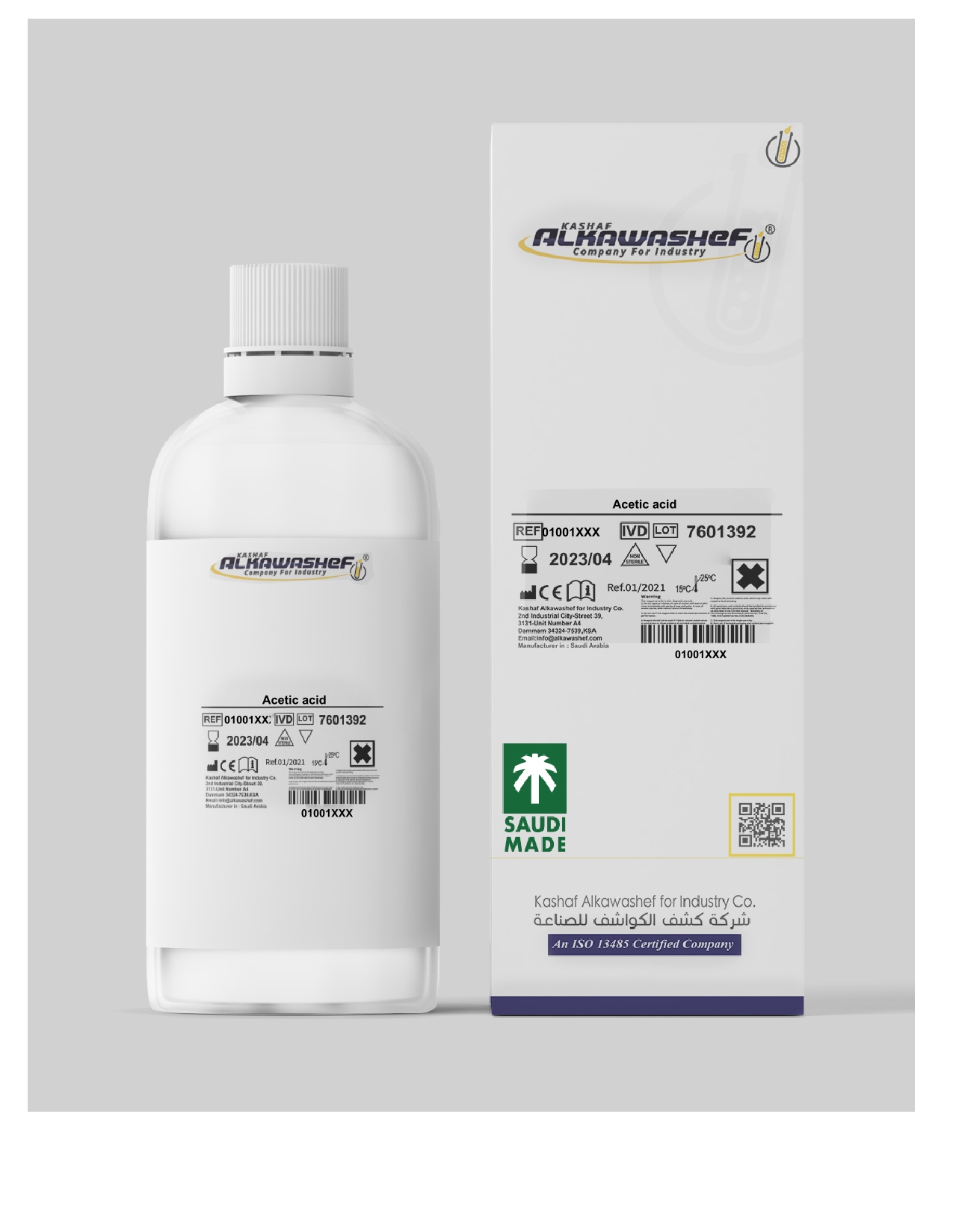
Acetic Acid - Comprehensive Laboratory Applications
Acetic acid is an indispensable laboratory reagent utilized across clinical, research, and industrial settings for pH control, buffer preparation, and analytical procedures.In clinical chemistry laboratories, acetic acid is routinely employed for protein precipitation from serum and plasma samples prior to analytical testing. The controlled acidity facilitates the removal of interfering proteins, enabling accurate measurement of analytes such as glucose, urea, creatinine, and electrolytes through colorimetric and enzymatic methods.The reagent plays a critical role in buffer preparation systems, particularly acetate buffers used in enzyme assays, electrophoresis procedures, and chromatographic separations. Laboratories rely on acetic acid's predictable dissociation characteristics to maintain stable pH environments essential for reproducible analytical results.In histology and cytology workflows, acetic acid functions as a nuclear fixative and clarifying agent. When applied to fresh tissue specimens or cytology smears, it rapidly coagulates nuclear proteins, enhancing chromatin detail and contrast during subsequent hematoxylin staining procedures. This step proves particularly valuable in fine needle aspiration samples and body fluid preparations.Microbiology laboratories incorporate acetic acid into selective media formulations and biochemical identification systems. The reagent differentiates bacterial species based on carbohydrate fermentation patterns and supports motility testing procedures through standardized acidification protocols.Quality control laboratories utilize acetic acid for standardization of pH meters, preparation of reference solutions, and validation of analytical methods requiring acidic conditions. Its consistent chemical behavior ensures reliable performance across instrument calibration and method verification protocols.For safe handling, acetic acid should be stored in tightly sealed containers in well-ventilated areas away from incompatible materials. Appropriate personal protective equipment including chemical-resistant gloves, safety goggles, and laboratory coats must be worn during manipulation. Spill containment procedures and neutralization protocols should be established according to institutional safety guidelines.This acetic acid product meets laboratory requirements for purity and consistency, manufactured under quality management systems compliant with ISO 13485 standards and SFDA regulatory requirements. Multiple container sizes accommodate varying laboratory throughput demands from research applications to high-volume clinical testing environments.