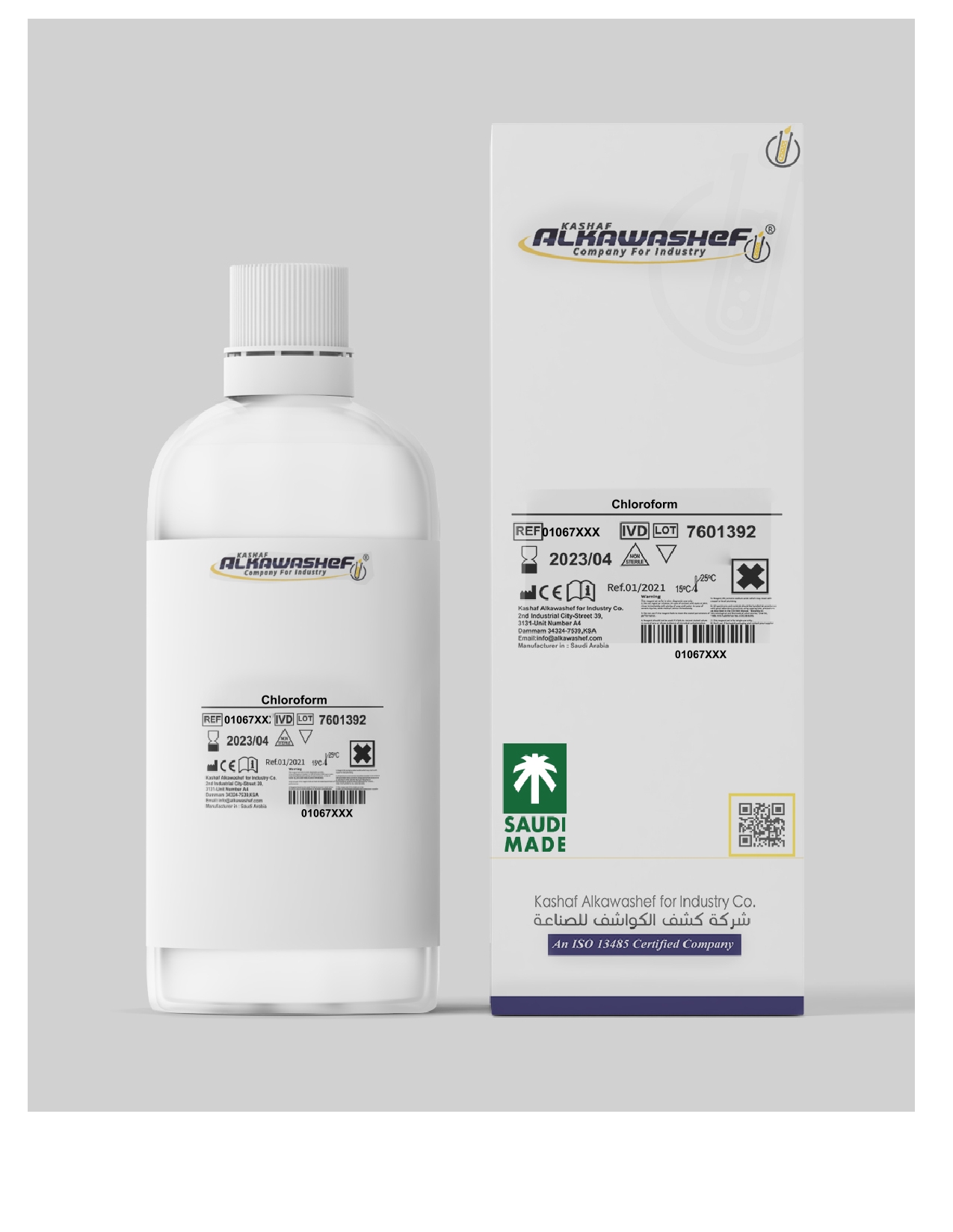
Chloroform - Laboratory Extraction Applications
Stabilized chloroform (stabilized with amylene) supports phase separation extraction protocols across molecular biology, biochemistry, and pharmaceutical laboratories requiring maximum recovery.Molecular biology laboratories employ phenol:chloroform:isoamyl alcohol (25:24:1) extracting genomic DNA from tissues. Lower density facilitates quantitative interphase recovery preventing DNA shearing during pipetting.Lipid biochemistry laboratories extract membrane phospholipids using chloroform:methanol (2:1) Bligh & Dyer method. Complete lipid recovery supports quantitative phospholipid class analysis through HPTLC and LC-MS characterization.Pharmaceutical laboratories extract lipophilic drugs from plasma using chloroform liquid-liquid extraction. High partition coefficients ensure complete analyte recovery preventing LC-MS matrix suppression effects.Quality control verifies chloroform content (GC), amylene stabilizer (GC-MS), and water content (KF). Ethanol-free specification prevents DNA precipitation artifacts compromising extraction purity.Glass safety bottles with PTFE-lined caps prevent plasticizer extraction. Secondary containment prevents vapor migration compromising adjacent molecular biology procedures.Safety cabinet storage with charcoal filters prevents vapor accumulation. Grounded containers prevent static discharge ignition while explosion-proof refrigerators maintain bulk storage safety.ISO 13485 manufacturing distills technical grade chloroform confirming stabilizer content and purity specifications. Low fluorescence grade supports nucleic acid quantitation applications.