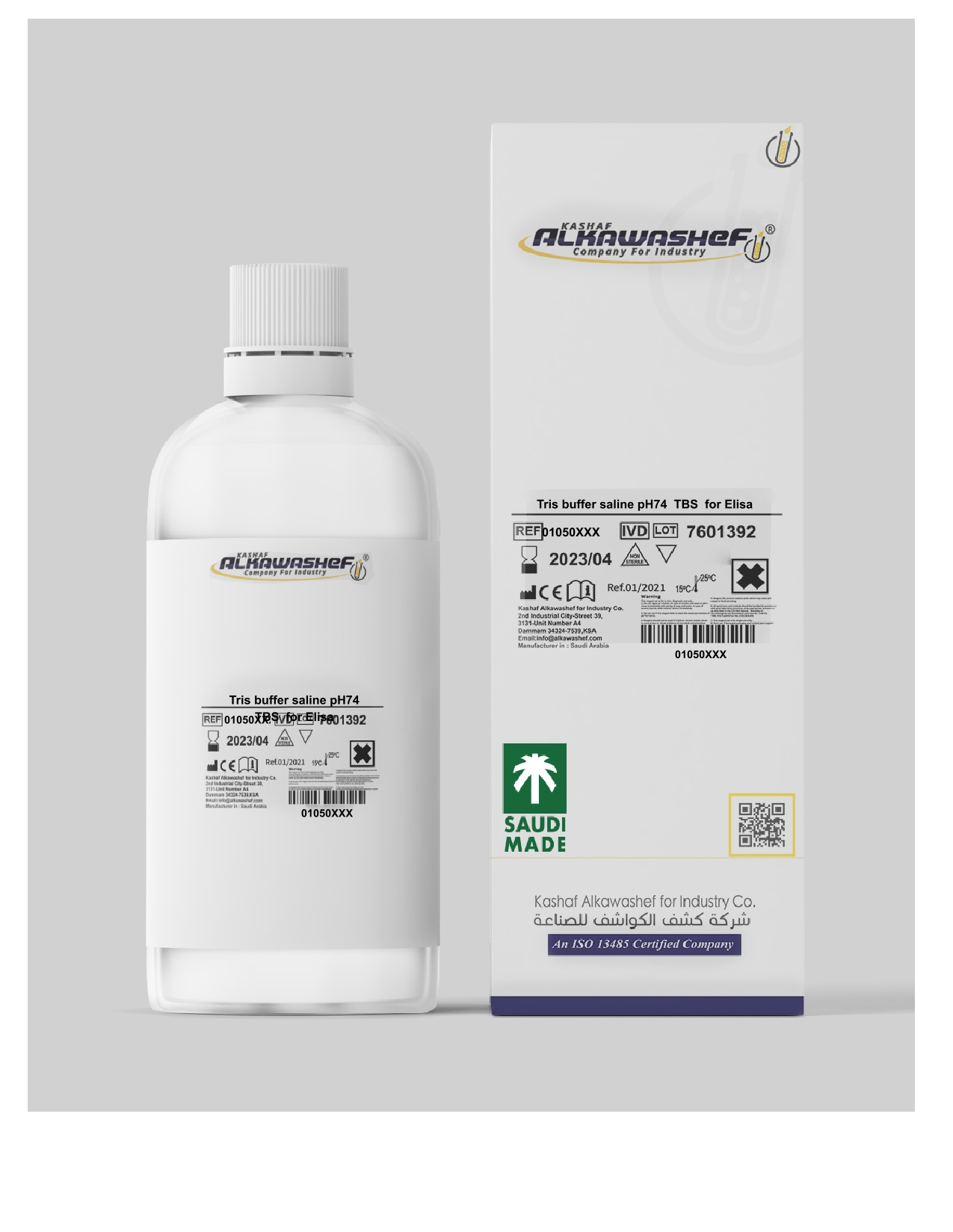
HCl Decalcifier - Rapid Histological Processing
Hydrochloric acid decalcifier offers unmatched speed for mineralized tissue processing in high-volume pathology laboratories and urgent clinical scenarios.Pathology laboratories processing bone marrow trephine biopsies utilize HCl decalcifier for 15-30 minute processing times versus 24-48 hours required by EDTA methods. Rapid turnaround enables same-day hematological diagnosis of leukemias, lymphomas, and myelodysplastic syndromes.Orthopedic pathology services employ strong acid decalcification for fracture callus specimens, bone tumors, and implant integration studies. HCl efficiently penetrates dense cortical bone while preserving cellular morphology adequate for routine H&E evaluation and limited IHC applications.Forensic pathology laboratories process unidentified bone fragments requiring rapid mineral removal prior to DNA extraction and histological age estimation. HCl decalcifier supports time-sensitive investigations while maintaining sufficient tissue architecture for manner-of-death determination.Quality control protocols monitor decalcification endpoints through standardized needle penetration tests and parallel H&E sections. Processing times vary by specimen thickness and bone density ensuring complete demineralization without collagen degradation or cellular loss.Laboratory safety procedures mandate chemical fume hood usage with acid-resistant secondary containment. Neutralization stations with calcium carbonate absorbents and high-volume water dilution systems manage waste streams preventing plumbing precipitation issues.Multiple concentration options and container sizes accommodate diverse specimen types from thin bone marrow cores to thick surgical resections. ISO 13485 manufacturing ensures HCl concentration accuracy, heavy metal absence, and stabilizer consistency across production lots.Validated processing protocols support laboratory accreditation across anatomic pathology services. Standardized performance characteristics enable consistent results across technologists and processing shifts maintaining diagnostic quality in mineralized tissue interpretation.