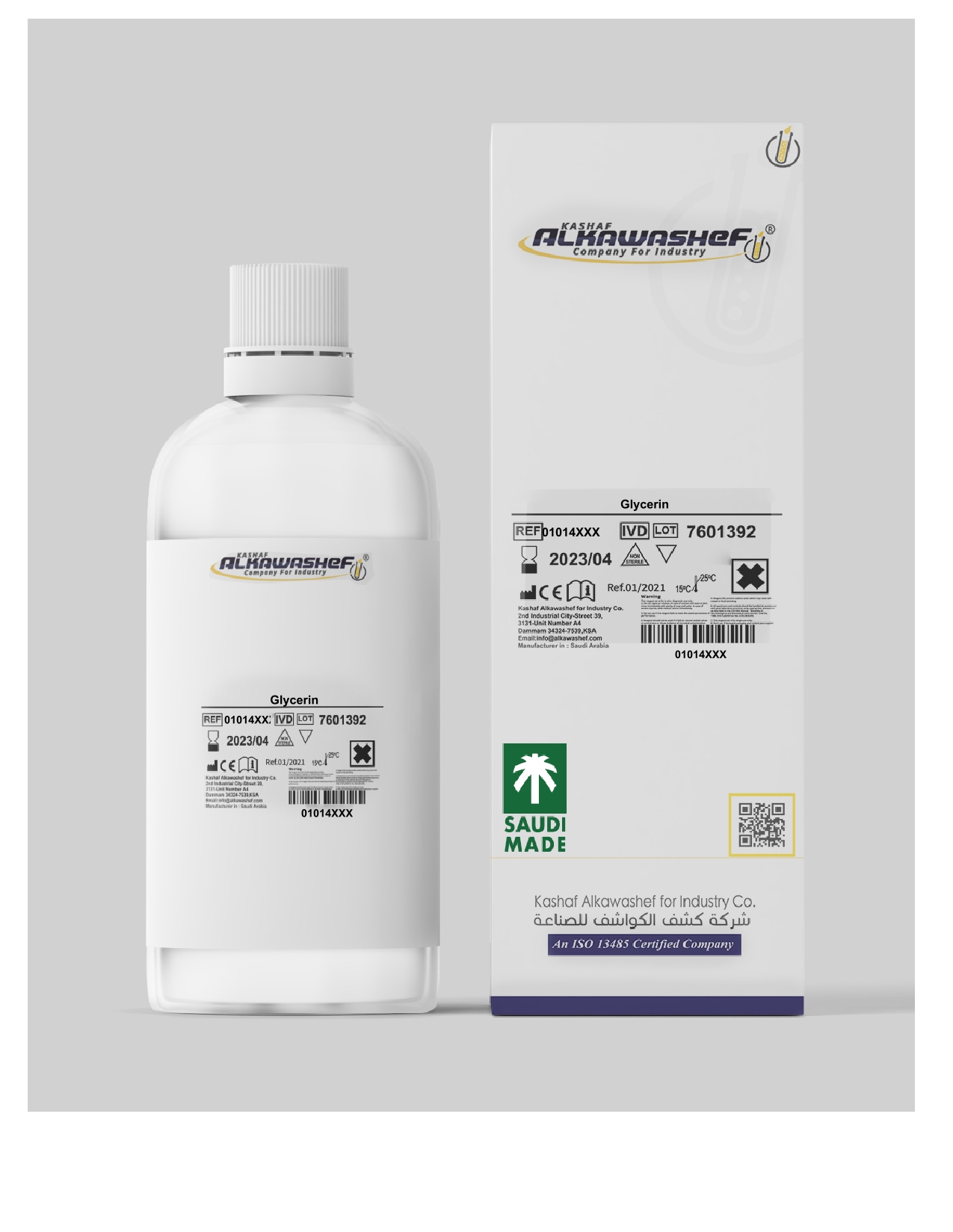
Glycerin - Laboratory Applications
Glycerin (glycerol USP/Ph. Eur.) provides essential humectant, preservative, and viscosity control functions across microscopy, molecular biology, and reagent manufacturing applications.Histology laboratories incorporate glycerin into permanent mounting media preventing slide desiccation over archival periods spanning decades. Optimal refractive index matching enhances resolution while preventing bubble formation characteristic of aqueous media during long-term storage.Cytology laboratories utilize glycerin-based media for liquid-based cytology preparations maintaining cellular morphology during transportation to reference laboratories. Humectant properties prevent air-drying artifacts compromising nuclear detail assessment in malignancy screening programs.Microscopy core facilities employ glycerin for aqueous immersion objectives preventing lens drying during extended observation sessions. Viscosity control facilitates smooth fine-focus adjustments while maintaining optical coupling across multi-user instrumentation platforms.Molecular biology laboratories add glycerin to enzyme storage buffers preventing freeze-thaw denaturation cycles. 50% glycerin solutions enable convenient -20°C working stocks maintaining >90% enzymatic activity across 50+ freeze-thaw cycles versus complete inactivation in aqueous storage.Reagent manufacturing incorporates glycerin for stabilizer function preventing protein aggregation and microbial overgrowth in liquid clinical chemistry formulations. Humectant properties extend open-vial stability supporting analyzer dead volume specifications and calibration verification requirements.Cell culture laboratories utilize glycerin cryopreservation protocols for suspension cells and tissue fragments requiring ambient temperature transport. Penetrating cryoprotectant properties prevent ice crystal formation while maintaining post-thaw viability comparable to DMSO methodologies.Storage protocols specify airtight containers preventing moisture loss and oxidation. Temperature control between 15-25°C maintains liquid viscosity specifications preventing volumetric dispensing errors across laboratory automation systems.ISO 13485 manufacturing processes include distillation purification, water content analysis (KF titration), and heavy metals testing (ICP-MS). Certificates verify pharmacopeial compliance across regional compendia supporting regulated laboratory applications globally.