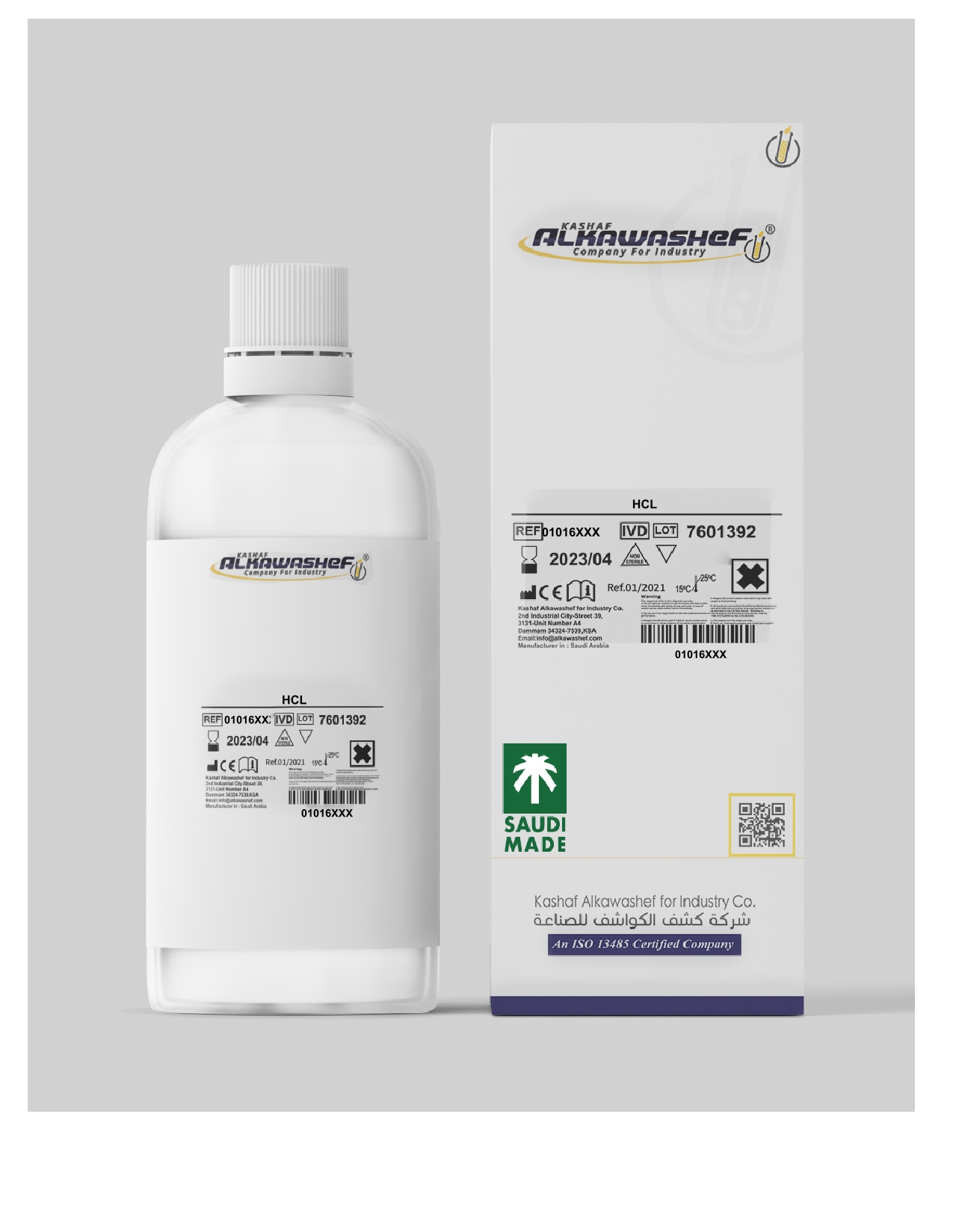
Hydrochloric Acid - Laboratory Applications
Hydrochloric acid serves as the universal strong mineral acid supporting diverse laboratory functions from sample digestion to pH control across analytical disciplines.Clinical chemistry laboratories utilize HCl for protein hydrolysis prior to amino acid analysis and total nitrogen determination. Complete hydrolysis converts peptide bonds enabling quantitative recovery of constituent amino acids through ion-exchange chromatography and ninhydrin detection.Environmental laboratories employ HCl digestion protocols extracting heavy metals from soil, sludge, and tissue matrices. Nitric-hydrochloric mixtures solubilize recalcitrant organometallic complexes ensuring complete matrix digestion for ICP-MS and AAS quantitation meeting EPA method specifications.Histology laboratories incorporate dilute HCl solutions into myelin stain procedures and bone decalcification protocols. Controlled acidity enhances lipid solubility while preserving morphological architecture essential for neuropathology diagnosis and neuroanatomical research.Pharmaceutical quality control laboratories standardize HCl solutions for alkalimetry titrations and chloride content determinations. Fumed HCl generation enables precise normality standardization supporting pharmacopeial monograph compliance across drug substance specifications.Biotechnology laboratories utilize HCl for cell culture pH control, peptide synthesis deprotection, and bioreactor cleaning validation. Automated titration systems maintain optimal growth conditions while passivating stainless steel surfaces preventing metal-catalyzed degradation.Microbiology laboratories incorporate HCl into motility test media and acid-fast staining procedures. Differential acidification distinguishes bacterial taxa while maintaining structural integrity essential for microscopic identification and antibiotic susceptibility correlation.Storage protocols mandate acid-resistant secondary containment and ventilation hood dispensing. Pressure-equalizing addition funnels prevent glassware implosion during reagent addition while fume extraction systems protect laboratory personnel from vapor exposure.ISO 13485 manufacturing verifies HCl concentration (titration), iron content (colorimetry), and sulfate absence (turbidimetry). Trace metals analysis (ICP-MS) confirms suitability for high-sensitivity instrumental techniques supporting validated laboratory methodologies.