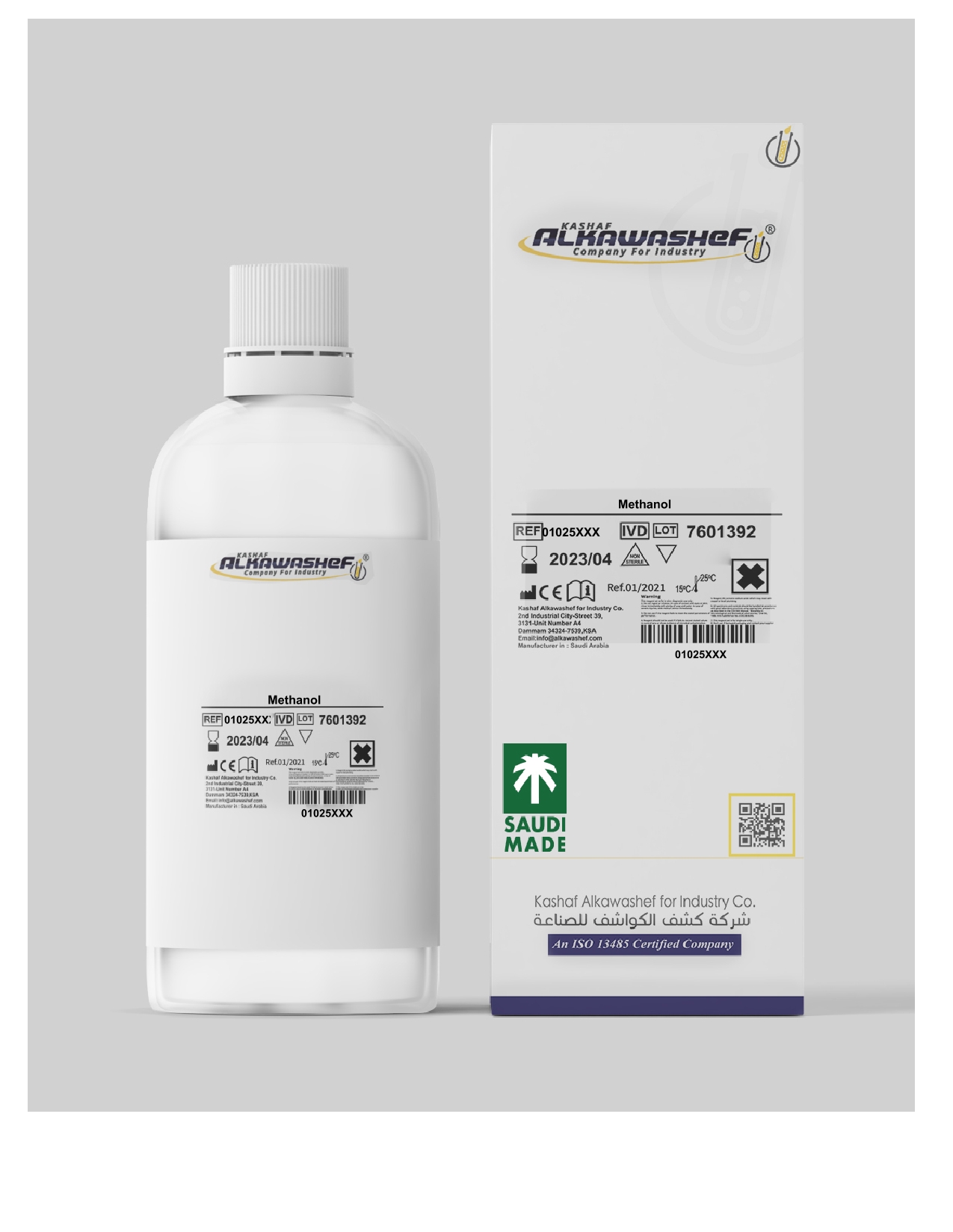
Methanol - Analytical Solvent Applications
Methanol serves as the premier polar aprotic solvent supporting chromatographic separations, extractions, and protein precipitation protocols across analytical disciplines.HPLC laboratories utilize methanol as organic mobile phase component optimizing analyte retention and peak shape across pharmaceutical, environmental, and clinical testing applications. UV transparency through 210nm supports low wavelength detection of early-eluting polar compounds.Clinical chemistry laboratories employ ice-cold methanol precipitating plasma proteins prior to drug screening and toxicology panels. Complete denaturation removes matrix interference while maintaining quantitative analyte recovery across therapeutic drug monitoring panels.Proteomics laboratories incorporate methanol-chloroform mixtures extracting membrane proteins from cell lysates. Selective precipitation maintains hydrophobic protein solubility preventing aggregation during downstream SDS-PAGE and mass spectrometry characterization.GC laboratories utilize anhydrous methanol derivatizing polar metabolites to volatile trimethylsilyl ethers. Complete reaction conversion eliminates peak tailing while low boiling point facilitates solvent evaporation prior to chromatographic injection.Spectroscopy laboratories select methanol for its sharp IR absorption profile and fluorescence quenching properties. Low water content prevents hydrogen bonding interference compromising vibrational spectra and quantum yield determinations.Safety protocols mandate flammables storage, intrinsically safe equipment, and vapor monitoring systems. Grounded stainless steel containers prevent static ignition while emergency deluge showers support personnel decontamination procedures.Multiple container sizes accommodate diverse laboratory workflows from method development to high-throughput routine testing. PTFE-lined closures prevent solvent permeation maintaining chromatographic purity specifications through expiration.ISO 13485 manufacturing verifies methanol content (GC-FID), water determination (KF titration), and aldehyde absence. UV cutoff verification confirms suitability for low wavelength HPLC detection supporting validated analytical methodologies.