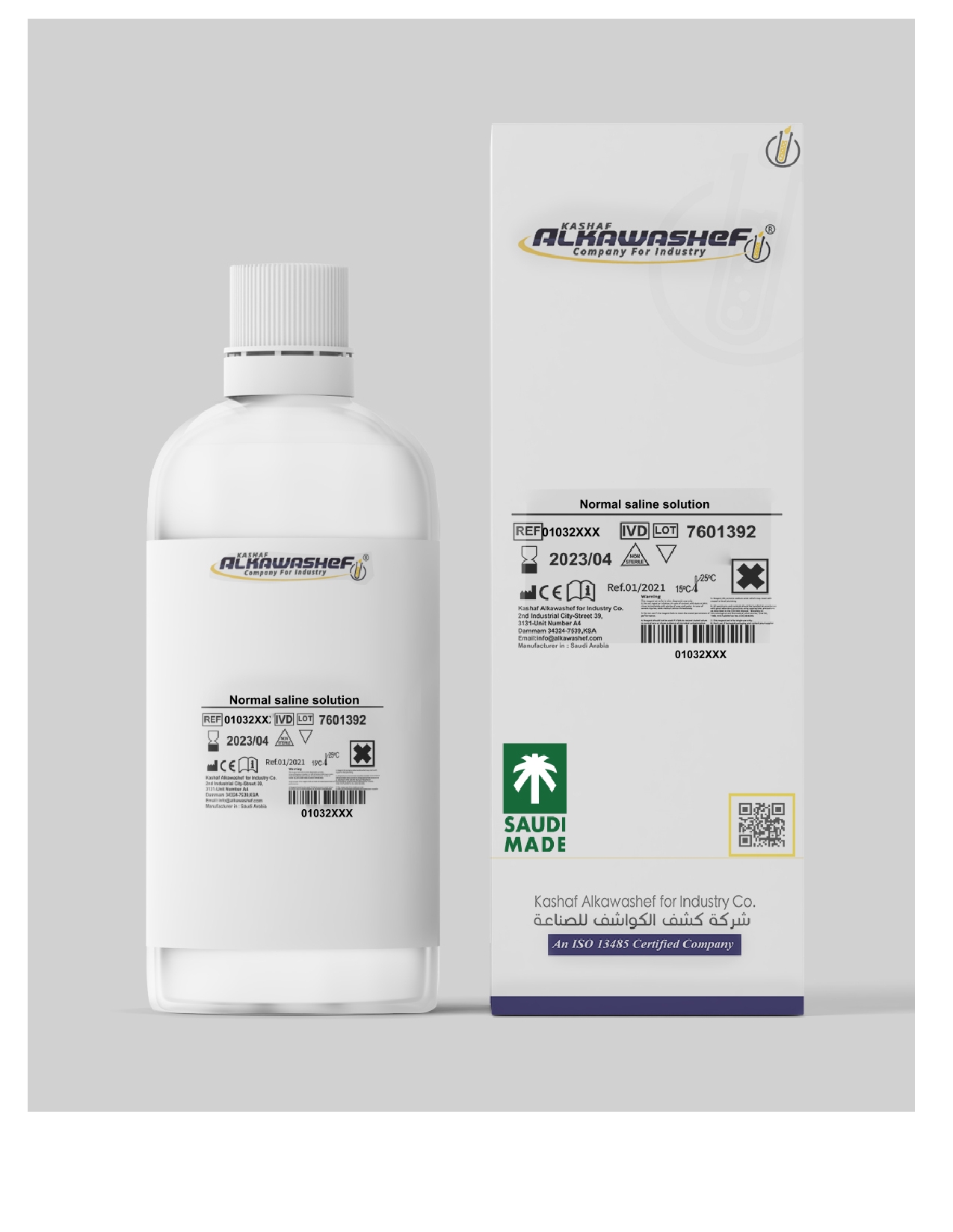
Normal Saline Solution - Laboratory Applications
Normal saline (0.9% w/v NaCl) serves as the essential isotonic diluent maintaining cellular integrity across clinical laboratory procedures spanning multiple disciplines.Hematology laboratories utilize normal saline washing erythrocytes prior to hemoglobin electrophoresis and osmotic fragility testing. Physiological tonicity prevents hemolysis artifacts while maintaining discocyte morphology essential for accurate sickle cell screening.Microbiology laboratories employ sterile normal saline creating serial dilutions for colony counting and antimicrobial susceptibility testing. Isotonic conditions preserve bacterial viability during McFarland standard preparation and disk diffusion zone interpretation.Cytology laboratories use normal saline resuspending cell pellets from cerebrospinal fluid, pleural fluid, and fine needle aspirations. Optimal cellular dispersal facilitates representative slide preparation supporting accurate differential counts and malignancy detection.Flow cytometry laboratories standardize normal saline sheath fluid providing hydrodynamic focusing and low background fluorescence. Particle-free formulation prevents nozzle clogging while maintaining coefficient of variation specifications across multicolor panels.Quality control programs verify osmolality (285-315 mOsm/kg), pH stability (4.5-7.0), and sterility assurance. Endotoxin testing (<0.5 EU/mL) confirms suitability for mammalian cell applications and intravenous administration compatibility.Flexible container sizes support diverse laboratory workflows from manual cell counting to automated analyzer reagent systems. Blow-molded polyethylene prevents ion leaching while maintaining sterility through labeled expiration periods.Storage protocols specify room temperature avoiding precipitation while protecting from light exposure. Secondary containers prevent contamination during multi-user dispensing maintaining analytical performance specifications.ISO 13485 manufacturing ensures NaCl concentration accuracy, particulate absence, and microbial sterility. USP/EP compliance verification supports regulated laboratory accreditation across clinical service environments.