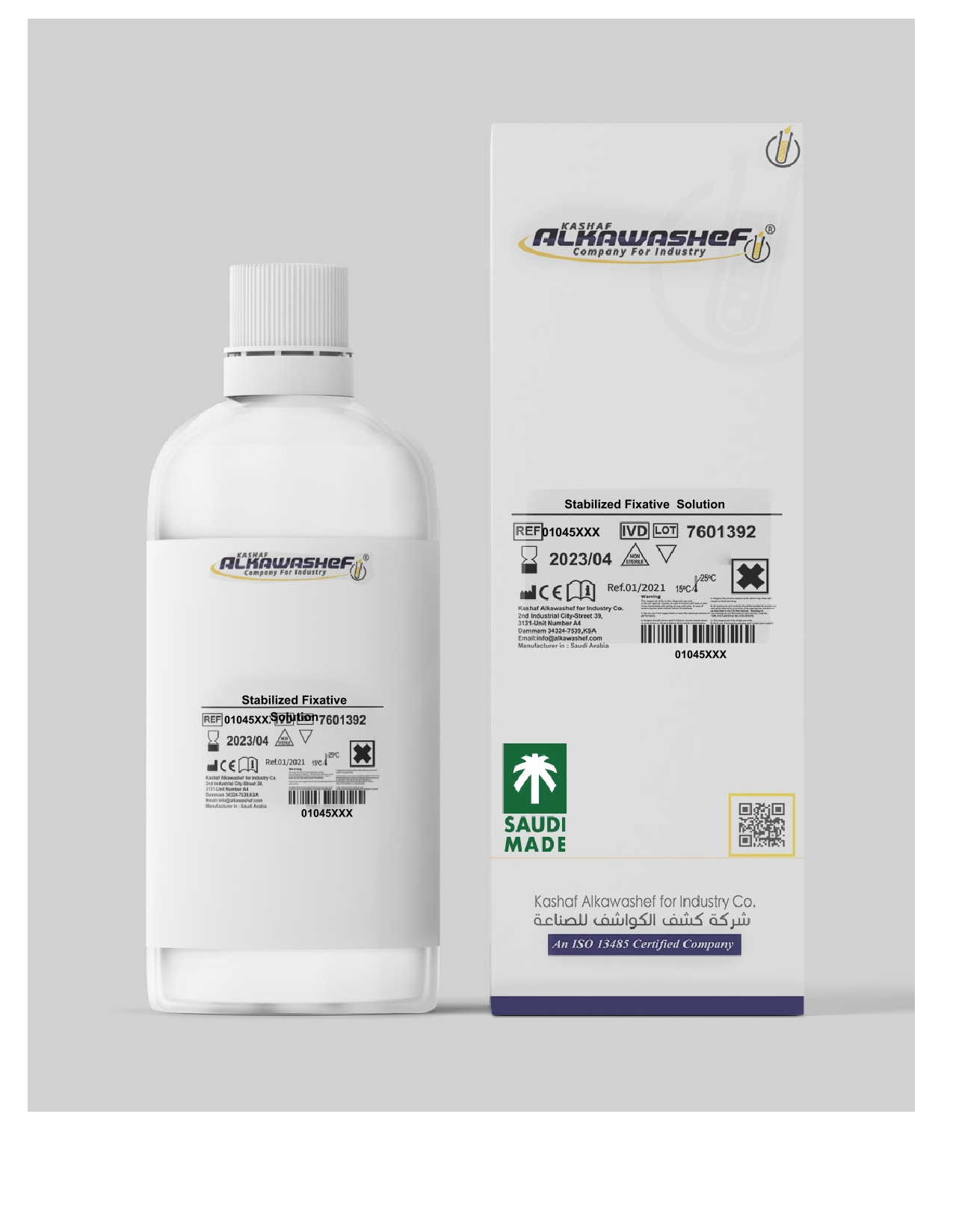
Stabilized Fixative Solution - Specimen Preservation
Stabilized fixative solution maintains cellular integrity supporting remote sample collection, transport, and delayed processing across cytology and hematology applications.Cytology laboratories receive stabilized fixative submissions containing gynecological, non-gynecological, and FNA specimens. Alcohol-protein coagulant formulation preserves nuclear detail while preventing autolysis during ambient temperature shipping.Hematology laboratories employ stabilized fixatives preserving peripheral blood films and bone marrow aspirates. Air-dried morphology maintenance supports leukemia subtyping and dysplastic feature assessment despite delayed staining.Remote collection sites utilize point-of-care fixative systems eliminating fresh specimen transport logistics. Temperature-independent preservation enables population-based screening programs accessing underserved communities.Research laboratories standardize fixative protocols across multi-center clinical trials. Reproducible antigen preservation supports IHC biomarker analysis while standardized processing eliminates site-to-site technical variability.Quality control testing confirms cellular preservation through proficiency specimens and parallel processing studies. Fixative stability verification prevents morphology degradation compromising diagnostic sensitivity and specificity.Leak-proof containers enable multiple specimen consolidation reducing shipping costs. Pre-filled chamber volumes standardize fixation ratios preventing under-fixation artifacts and processing delays.Safety protocols classify fixative systems as non-flammable alternatives to methanol fixatives. Secondary containment prevents cross-contamination while disposal procedures comply with regulated medical waste requirements.ISO 13485 manufacturing verifies fixative composition, preservative efficacy, and performance consistency. Validation studies confirm morphological equivalence supporting laboratory accreditation across service networks.